
The experiential industry is as dynamic as it is diverse, with new concepts, technologies and buzzwords popping up faster than you can say, “immersive storytelling.” And yet, there’s really no obvious centralized resource to help us navigate this ever-evolving megaverse.
That’s why we created The XPedia, a glossary of terms and definitions curated specifically for the dreamers, leaders, strategists, and creators shaping the experiential landscape. Whether you’re decoding the latest hybrid event tech, trying to harness the power of AI, or simply wondering what the heck "sandbox experience" actually means, this is your go-to guide to the language of XP.
But first, what is “experiential” anyway?
Often confused with experiential marketing, experiential is a powerful channel for brands, yes, but it’s so (so, so) much more. It’s gathering, in the name of storytelling, on all platforms. It’s the future of entertainment, at the center of retail, commerce and hospitality, and where travel, social media, education, healthcare, and the workplace are already racing towards.
Experiential is everything from a very cool brand pop-up to immersive theater. It’s Pride Month, and the new participatory Star Wars ride at Disneyland. It’s all the festivals and the Super Bowl Halftime show and a Snoop concert on Fortnite.
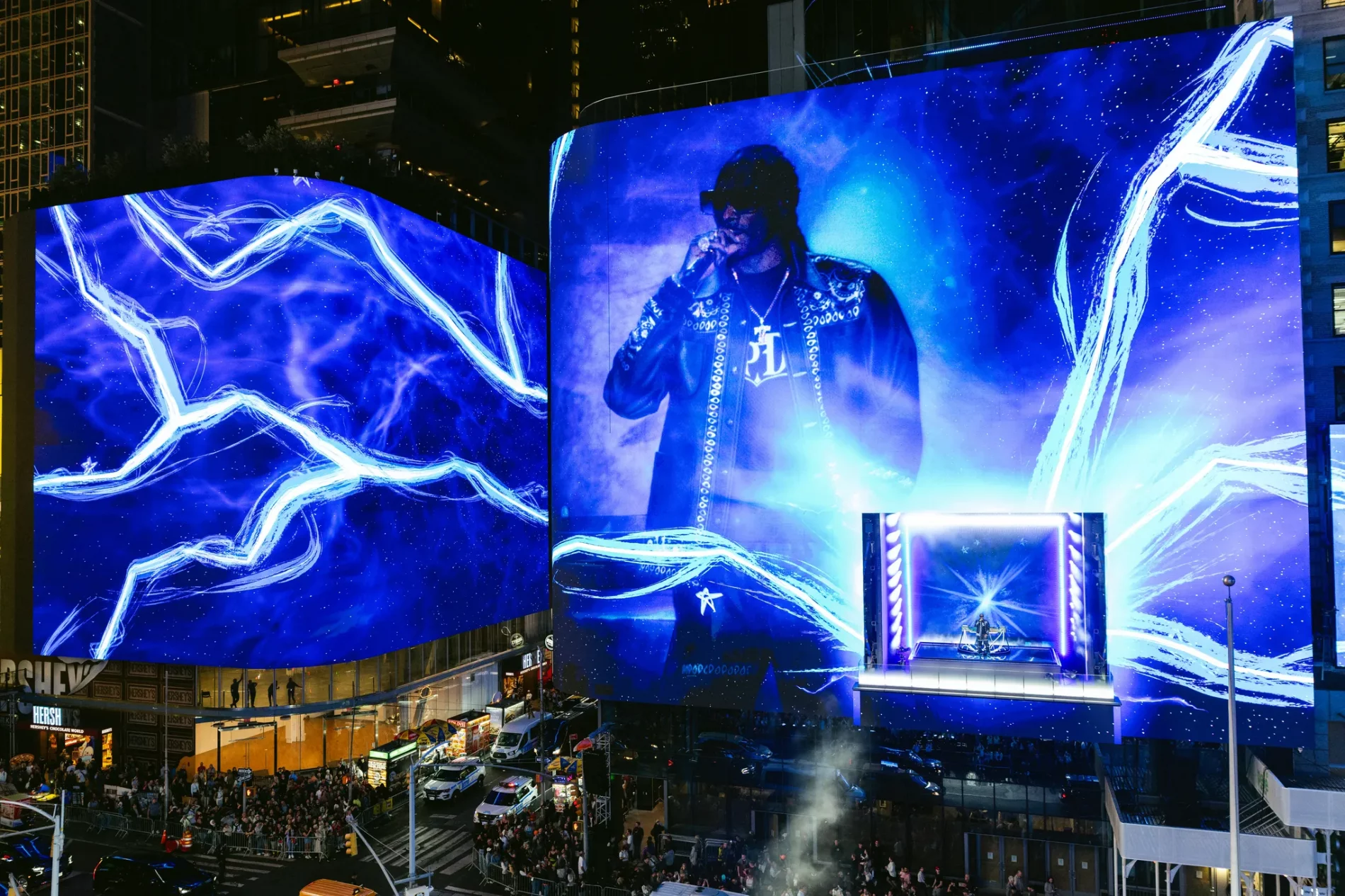
In other words, it’s all of the things relating to how we engage with each other and has its very own language.
Dive in, get inspired and let us know if we’ve missed anything. If you’ve coined the next big XP term, we want to hear from you! Drop us a line and help keep The XPedia as dynamic as the industry it celebrates.
- 360-Degree Video: Video content that allows viewers to explore a scene from every angle, often used in virtual tours or immersive storytelling.
- Activation: A marketing event or campaign, often involving interactive elements, that engages consumers directly with a brand.
- Advocacy Marketing: Leveraging brand advocates, such as loyal customers, to promote products or experiences organically through word-of-mouth or social sharing.
- AI-Driven Experiences: Events that use artificial intelligence to personalize or adapt experiences in real-time.
- AI Integration: Incorporating AI technologies into experiential campaigns or events to enhance audience personalization, optimize operations, or create adaptive content.
- Architectural Projections: Using projection mapping technology to display images, animations, or videos on architectural structures, transforming buildings into dynamic visual displays.
- Artificial Intelligence (AI): Using machine learning, natural language processing and data analysis to enhance, personalize and scale immersive and interactive experiences.
- Audience Agency: The degree of control or influence audience members have over the unfolding of the narrative or their experience within the performance.
- Audience Engagement: Strategies or tools used to involve the audience actively, enhancing their experience and interaction during an event.
- Augmented Reality (AR): Integrating digital elements into the physical world using devices like smartphones, tablets, AR glasses, or other technologies.
- Brand Ambassadors: Individuals hired or designated to represent a brand, interact with customers and promote products or events through direct engagement.
- Brand Experience: A multi-sensory event or interaction designed to immerse attendees in a brand's story or values.
- Character Track: A pre-designed journey that each character follows throughout the performance, which may intersect with audience tracks.
- Collaborative Environments: Spaces or platforms, physical or virtual, where participants work together interactively, often used in team-building activities or multi-user VR/AR experiences.
- Community Engagement: Efforts to involve local communities in experiential events or activations to build relationships and drive social impact.
- Consumer Journey Mapping: Understanding and designing experiences based on the touchpoints where consumers interact with a brand throughout their journey.
- Content Amplification: Extending the reach of experiential campaigns by repurposing event content for social media, email marketing, or other channels.
- Co-Creation: Involving the audience or customers in creating a product, experience, or marketing campaign to foster deeper engagement and loyalty.
- Cross-Channel Integration: Ensuring seamless coordination between experiential events and other marketing channels, such as digital, social and retail.
- Cue to Cue: A technical rehearsal process focusing on the transitions between cues (e.g., lighting, sound, set changes), which is often complex in immersive theater.
- Data-Driven Experiences: Using consumer data to personalize and optimize experiential marketing campaigns for targeted audiences.
- Devised Theater: A collaborative creation process where the script and structure emerge through improvisation and collective input from the ensemble.
- Digital Activations: Online experiences that mirror or complement live experiential marketing efforts, such as virtual reality demos or AR filters.
- Emotional Engagement: Designing experiences that create emotional connections with the audience to foster brand loyalty and long-lasting impressions.
- Enhanced Wayfinding: Interactive tools, often powered by AR or apps, that guide attendees through events or venues with real-time directions, schedules and points of interest.
- Event ROI (Return on Investment): A metric used to measure the success of an event by comparing costs versus outcomes (e.g., revenue, engagement).
- Experience Economy: An economic trend where businesses create memorable customer events and the memory becomes the product.
- Experiential Activism: Using experiential events and immersive storytelling to inspire social, environmental, or political change by engaging audiences emotionally.
- Experiential Campaign: A marketing initiative that creates immersive and memorable experiences, often with hands-on or interactive elements.
- Experiential Content: Media created during an event or activation, such as photos, videos, or live streams, to extend the campaign’s reach.
- Experiential Marketing: A strategy that engages consumers through live, immersive and interactive experiences, allowing them to connect emotionally with a brand.
- Facilitator / Guide: A performer or staff member responsible for helping the audience navigate a space, ensuring both safety and a cohesive experience.
- FOMO (Fear of Missing Out): The result when great experiential creates urgency and excitement, encouraging participation in an event or activation.
- Found Space: A location not initially intended for performance that is adapted for theatrical use, such as abandoned buildings or rooftops.
- Free Roam: A format where audience members can move independently through the performance space, discovering scenes and interactions at their own pace.
- Gamification: Incorporating game-like elements into an event or experience to encourage engagement and participation.
- Gamified Experiences: Experiences designed with game mechanics (e.g., challenges, rewards) to foster audience interaction.
- Haptic Feedback: Tactile sensations delivered through devices to enhance the realism of virtual or interactive experiences.
- Hybrid Events: Events that combine physical (in-person) and virtual elements, allowing broader audience participation.
- Immersive Audio: Spatial sound technologies that create a 3D auditory experience, enhancing realism and immersion.
- Immersive Casting: Selecting performers skilled at engaging directly with audiences, improvising and maintaining the illusion of the theatrical world.
- Immersive Experience: An event or activation fully engaging the senses, often blending physical and digital elements for a deeper connection.
- Immersive Narrative: A storytelling technique where the audience experiences the plot by physically moving through and interacting with the environment.
- Immersive Storytelling: Using technology, design and sensory elements to craft narratives that place audiences at the center.
- Immersive Technologies: Tools and systems (e.g., VR, AR, MR) that blend digital and physical environments to create engaging experiences.
- Influencer Activation: Events or experiences designed to involve influencers in amplifying a brand's message through their platforms.
- Interactive Gaming: Games integrated into events or experiences to encourage participation, often tied to brand messaging or educational goals.
- Interactive Installations: Physical or digital setups encouraging attendees to participate actively, such as touch screens or motion-triggered effects.
- Journey-Oriented Experiences: Campaigns designed to guide participants through multi-step interactions with a brand.
- KPIs (Key Performance Indicators): Metrics to evaluate the success of experiential campaigns (e.g., engagement rates, leads generated).
- Live Activation: A real-time event where attendees interact directly with a brand or product.
- Location-Based Experiences: Immersive, site-specific events or activations designed to engage audiences through tailored, place-driven storytelling and interactions.
- Mixed Reality (MR): The seamless blending of physical and digital worlds, where real and virtual elements coexist and interact.
- Multi-Sensory Experience: An approach engaging multiple senses to create immersive and memorable experiences.
- Omnichannel Strategy: Connecting experiential campaigns with digital, retail and other touchpoints for a cohesive experience.
- Participatory Experiential: Interactive events or activations where audiences actively engage and contribute to the experience, creating a deeper connection and personalized impact.
- Personalization: Customizing experiences based on audience data or preferences to create meaningful connections.
- Photo Moment: A visually appealing setup designed for attendees to capture and share on social media, often branded.
- Pop-Up: A temporary event or retail space designed to create buzz, showcase products, or test new ideas.
- Projection Mapping: A technology that casts images, animations, or video onto irregularly shaped surfaces, creating dynamic visual effects.
- Replay Value: The appeal of experiencing the same production multiple times to uncover new storylines or details.
- Sampling: Providing free product samples to attendees to encourage trial and awareness.
- Scalability: The ability of an event to expand or adjust for different audience sizes or budgets.
- Sensory Marketing: Using sight, sound, touch, taste and smell to engage consumers and enhance brand recall.
- Social Amplification: Using social media to extend the reach of an event through user-generated content and brand shares.
- Swag: Branded items or gifts distributed to attendees as a lasting reminder of the event.
- Tech Rider: A document outlining technical requirements for performances, speakers, or presentations at an event.
- Themed Environment: A space designed with a cohesive aesthetic or concept to immerse attendees in a brand story or theme.
- User-Generated Content (UGC): Content created by attendees during the event, such as photos or videos shared on social media.
- Venue Sourcing: Identifying and securing the ideal location for an event.
- Virtual Collectibles: Digital assets, often tied to NFTs or blockchain technology, collected during or after an event.
- Virtual Events: Events hosted entirely online, using platforms for real-time interaction, networking and presentations.
- Virtual Reality (VR): Computer-generated simulations immersing users in fully interactive, three-dimensional environments.
- Virtual Try-Ons: Technology allowing users to see how clothing, accessories, or products look on them virtually.
- Wearable Technology: Devices like AR glasses or VR headsets that enhance interactive experiences.
- World-Building: Creating a detailed and believable fictional world, encompassing environment, characters and backstory, often central to experiential theater.