Artificial Intelligence is both an exciting innovation and a source of fear. Many worry about AI replacing jobs, diluting human creativity, and making experiences feel impersonal. These concerns are valid—after all, live events thrive on authentic, in-the-moment connections. But AI is proving to be a powerful tool that, rather than replacing human ingenuity, enhances real-world engagement.
In a world where audiences crave personalization, efficiency, and deeper connections, AI is the behind-the-scenes powerhouse making it all happen. Here's how:
AI ENABLES HYPER PERSONALIZATION AT SCALE
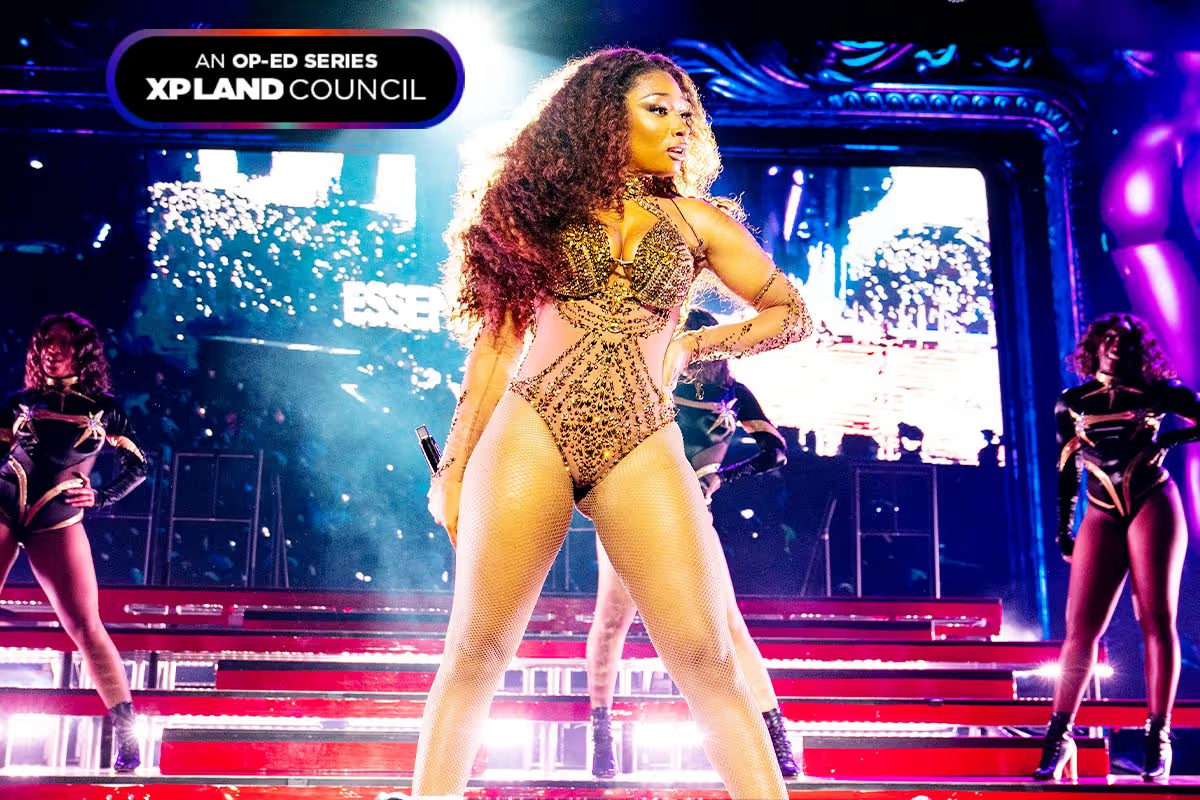
Consumers no longer want one-size-fits-all experiences. They expect events to feel tailor-made, reflecting their individual tastes, behaviors, and expectations. AI makes this possible by analyzing vast amounts of data in real time, allowing event producers to craft experiences that dynamically adapt to attendee preferences. Think: AI-curated music playlists at a festival. Smart scheduling that recommends panels at a conference. Personalized food and beverage suggestions at a culinary event. Or all of the above at multi-day cultural celebrations like the Essence Festival of Culture.
AI IS A GAME-CHANGER FOR INSIGHT MINING AND ACTIONING
The traditional event feedback loop—surveys, anecdotal reports, and post-event analysis—is outdated. AI-driven sentiment analysis and real-time behavioral tracking provide immediate insights into what’s working and what needs adjustment. That means brands and event producers can pivot on the fly, adjusting activations, content, and logistics in response to live data. Imagine knowing which artist is drawing the biggest crowd in real-time or being able to tweak an interactive experience mid-event to improve engagement. AI makes it possible.
AI IS RESHAPING EXPERIENCE-BUILDING
In addition to AI-powered chatbots that enhance customer service and virtual influencers that drive engagement, we’re also seeing AI-generated content that creates dynamic storytelling moments and AI-powered spatial design that optimizes crowd flow and event layouts. The result? Large-scale events are smoother and more intuitive for attendees. Take NFL’s use of AI-driven facial recognition technology at the Super Bowl, which streamlined credentialing and event access for staff, vendors, and media — enhancing security while improving operational efficiency, reducing wait times, and minimizing unauthorized access.
From consumer insight mining to experience building, AI isn’t replacing the magic of human connection—it’s enhancing it, making the impossible feel tangible.
The irony of artificial intelligence is that it’s helping to make real-life experiences more meaningful. It’s not about replacing the human touch—it’s about amplifying it. When AI is used strategically, it removes friction, increases efficiency, and enhances personalization. It allows event organizers to focus on what truly matters: creating unforgettable moments that resonate long after the last attendee leaves.
For brands, event producers, and marketers, the future of experiential isn’t just about thinking bigger—it’s about thinking smarter. AI is the ultimate collaborator, providing the tools to craft live events that feel more personal, more immersive, and more impactful than ever before. The question isn’t whether AI should be part of your event strategy. It’s how soon you can integrate it to move experiences forward.
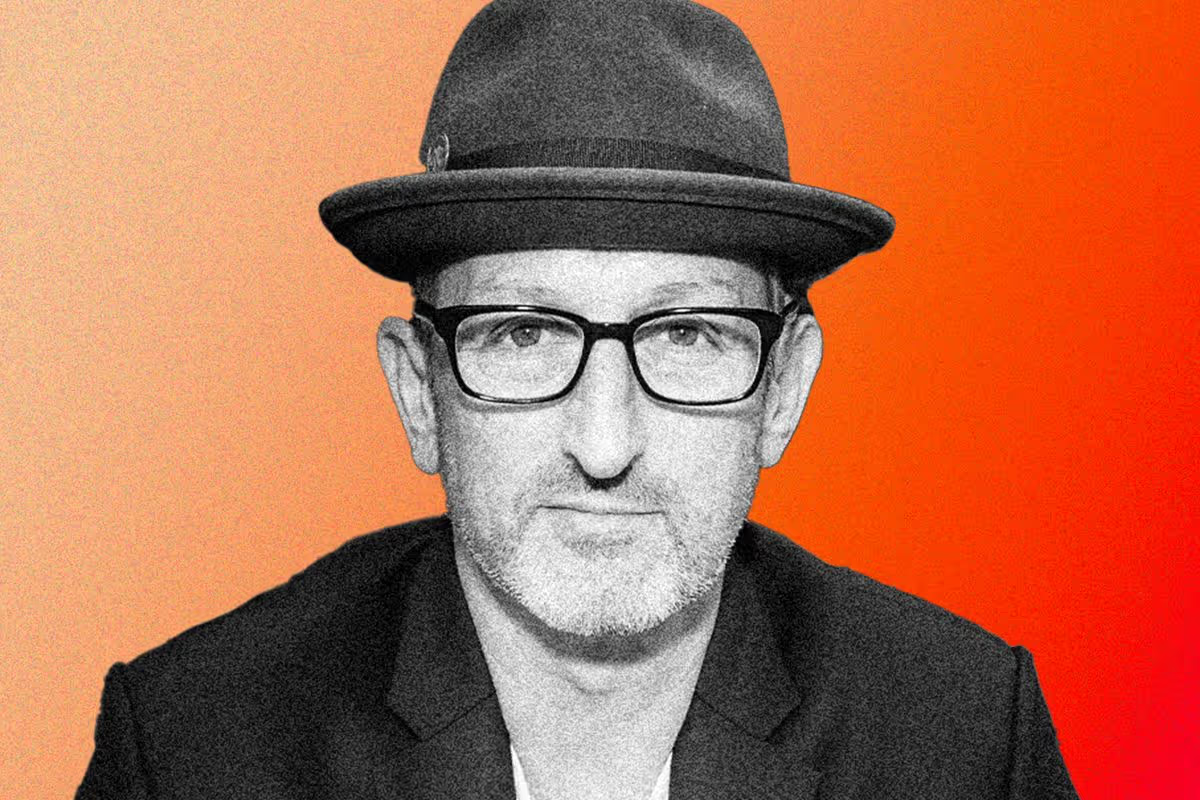
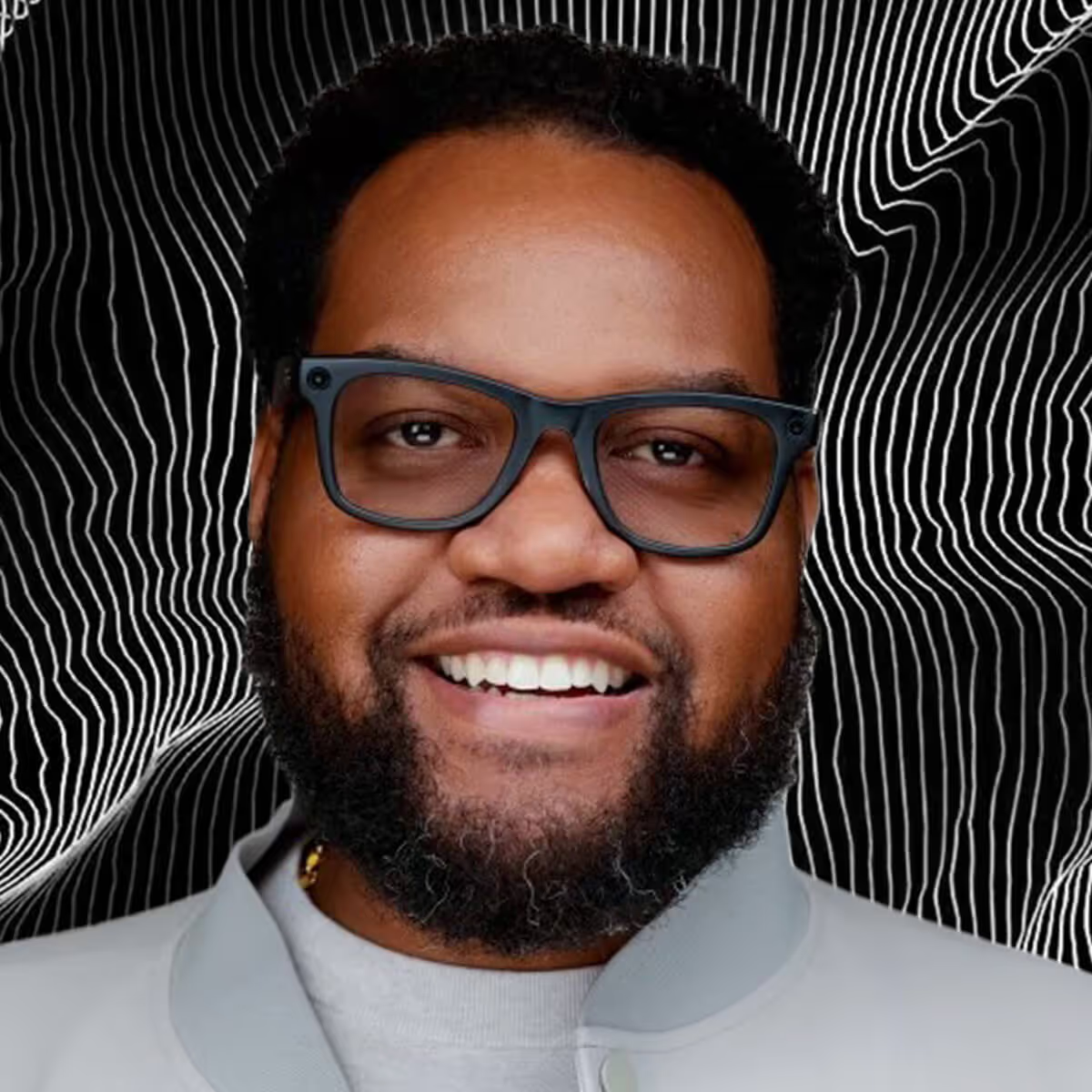
About the author: As Executive Vice President, Experiential at Sundial Media Group, Michael Barclay II leads the ESSENCE Festival of Culture, the largest U.S. festival by per-day attendance, attracting nearly 170,000 attendees daily to New Orleans. Recognized as an Industry Innovator by BizBash, Barclay’s accolades include a Cannes Lion Bronze Award for the Simone Biles "Pause Is Power" Powerade campaign and a Clio Sports Bronze Award.