
As we gear up for the next XLIST, we’re revisiting members of last year’s class—taking a closer look at how they think, work, and shape the industry. (You can stay in the loop on nominations and announcements here).
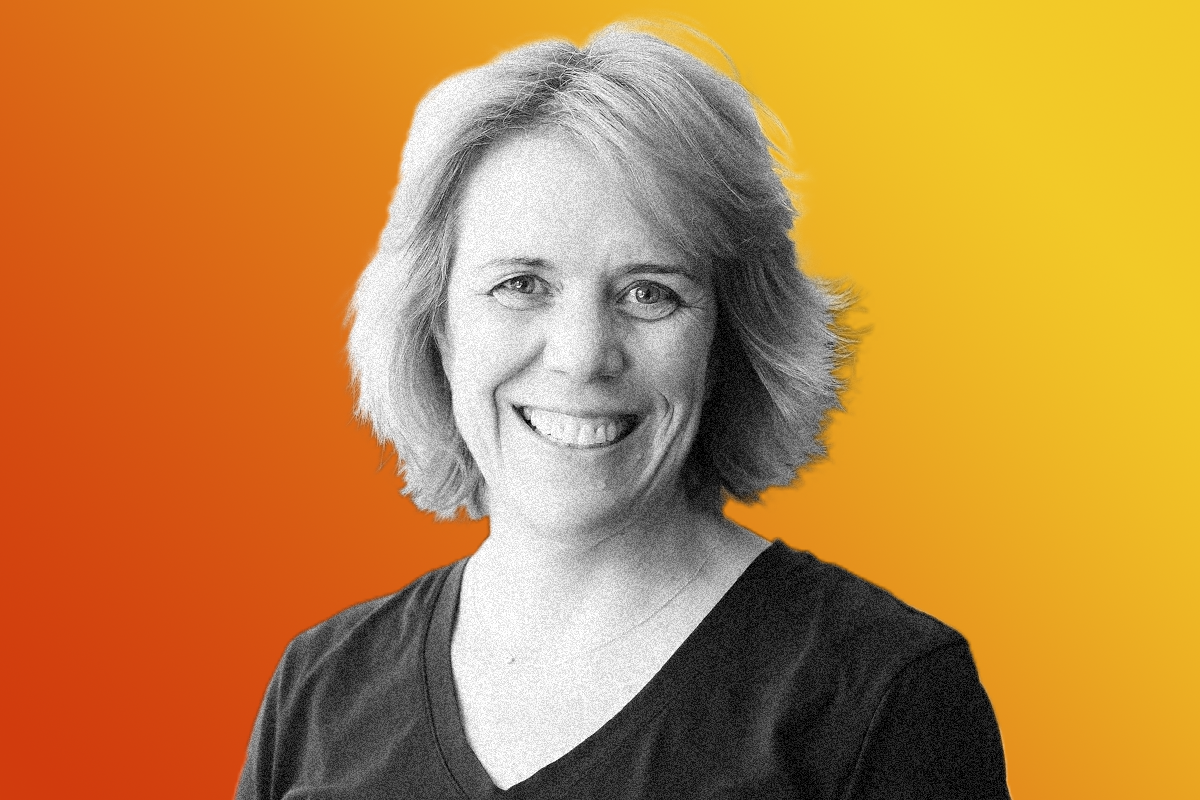
XLISTER Lauren Austin has spent more than 20 years in experiential, almost all of them at MKG, where she's now Chief Creative Officer. You've probably seen some of her work — she recreated a resort in Thailand for HBO Max's White Lotus and turned the Barbie x Stanley collab into 3.6 billion press impressions. But you may not be as familiar with her hot takes. She has a few. We chatted with Austin about why measurement is overrated, generosity is underrated, and where she thinks experiential goes from here.
Geraldine Campbell: You've been in this industry for more than 20 years. How do you even define experiential at this point?
Lauren Austin: It's such a catch-all. Pop-ups, B2B events and trade shows, sponsorship activations earned media stunts... Experiential has become synonymous with anything weird, anything out of the ordinary, anything live. Netflix just did that Apex stunt with Charlize Theron. That's technically experiential.
GC: Given how broad experiential is, what does MKG actually specialize in?
LA: Because the category is so multifaceted, most agencies have had to become flexible just to survive. That said, what we specialize in are emotional experiences that help brands humanize themselves and earn love. We're a creative marketing agency, not just a production or design agency.
The thing we're really trying to evolve right now is how content and experiential live together. Great experiences have to be integrated, and the most important way they're integrated right now is through content. How do you take a live experience with 500 people and get it to a million people? Through great social content.
Take our work with Bėis. We create brand-building experiences where their fans can interact with the brand and have a great time. But we’re also building a set or studio that produces anywhere from 15 to 40 pieces of brand-owned content. The experience creates the content. The content expands the experience. They’re symbiotic.
GC: Let's talk about measurement. Are we too obsessed with metrics?
LA: Our industry’s fixation on experiential ROI makes me want to bang my head against a wall. For the kind of experiential we do at MKG, it’s all about creating brand love and brand love is hard to measure. You certainly can't measure it in a Slides deck two weeks after an experiential campaign. And to say that an experience where you can watch people fall in love with a brand has no value because you can't prove it through data — that's a very short-sighted way to approach marketing.
GC: You clearly have strong opinions. What are some others?
LA: Experiential is having a big moment right now — with tons of agencies opening up, traditional agencies launching experiential divisions, and creative directors who wouldn't have called themselves experiential five years ago now claiming the title, but there's not a lot of interesting experiential going on. Everything looks slick. Luxury brands like Prada and Dior have raised the bar on what a popsicle stand can look like, and it’s trickled down to non-luxury brands as well. But many brands are neglecting the actual experience. They're just building content studios and calling it experiential.
GC: What's underrated in experiential right now?
LA: Generosity. People don't want to be advertised to. Even when they know something is a brand pop-up, you can't make them fill out a survey or hand over their email just to participate. Treating people with generosity — that's what makes an experience actually work. Experiences need to be people first.
GC: What stage do you think experiential is in right now?
LA: Experiential started as a vehicle for sampling — mobile tours, spring break activations, getting Red Bull in people's hands. Then there was a long period, from about 2010 to 2019, where every brief I got wanted a never-before-done tech experience: 3D projection mapping, holograms, drone shows. And now, post-COVID, in the world of AI, people want things that feel handmade, things they can touch, things that feel human. They want to, metaphorically, touch grass.
GC: Where does experiential go from here?
LA: Experiential is being taken more seriously, but it's still treated as a very downstream tactic. Many brands (though not all) still see their experiential agencies as production and design partners rather than thought partners. Which means brand-side experiential clients are often producers rather than creatives or marketers. I’d love to see more brands shift that mindset and understand that experiential agencies can offer way more than that.