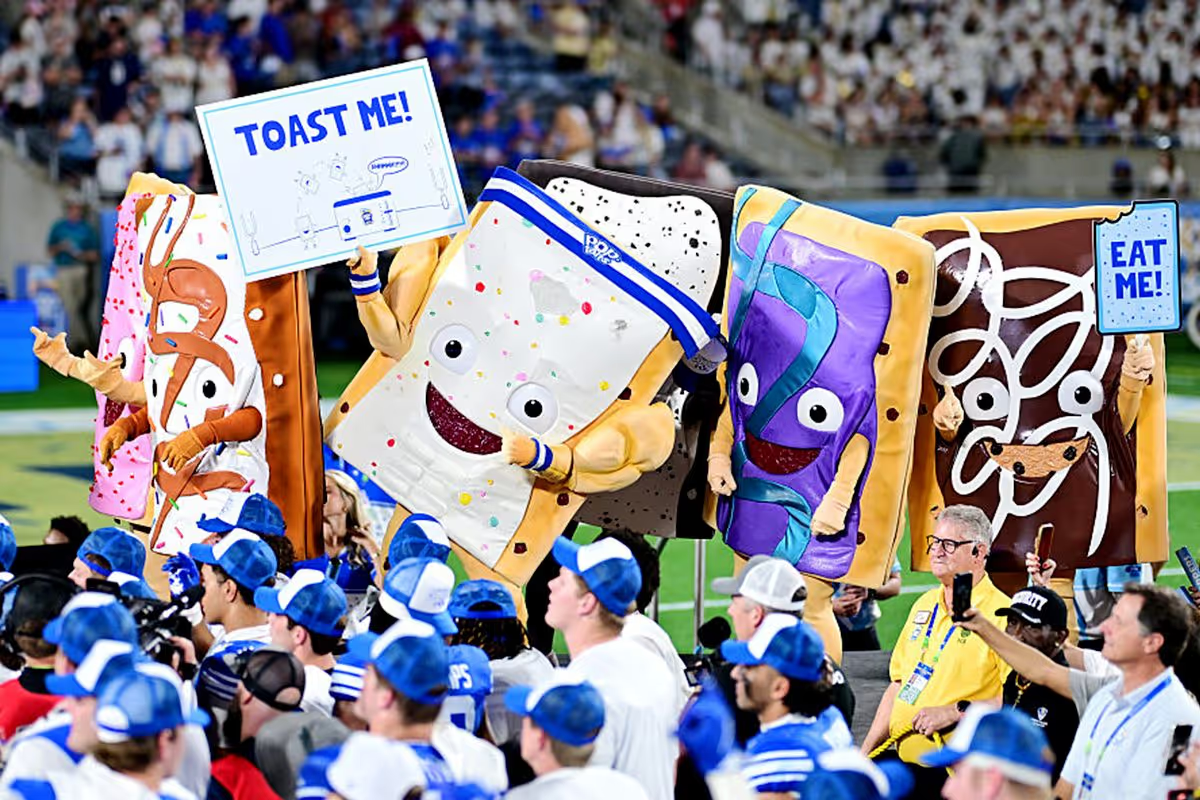

At the third annual Pop-Tarts Bowl in Orlando, FL, BYU beat Georgia Tech, holding off the Yellow Jackets with a last-minute interception and securing the ultimate prize: a fully-functioning toaster trophy—and the opportunity to eat the giant edible mascots on live television. Absurd. Theatrical. And it worked because Pop-Tarts grasped two things most brands miss: Bowl season games exist for fun, not prestige. And fun needs a story, not just a stunt.
Content over prestige
Bowl season (especially outside the playoffs) has always carried a particular irreverence. The Rose Bowl can lean on a century of tradition. The Pop-Tarts Bowl? The Duke's Mayo Bowl? The Famous Idaho Potato Bowl? These games exist because they're fun to watch, fun to talk about, and generate content for ESPN during an otherwise dead part of the year.
These aren't championship games. They're celebration games with quirky sponsorships and enthusiastic fanbases. The athletes play hard, but the stakes are loose enough to embrace spectacle. Trying to manufacture gravitas is the surest way to be forgettable.
PopTarts looked at that landscape and didn't try to make it serious. They made it more fun. Then gave that fun structure.
Storytelling over stunt
Three years in, the Pop-Tarts Bowl has gotten increasingly ridiculous—and increasingly successful. Naturally, imitators appeared. This year, copycat attempts included Bad Boy Mowers dumping grass clippings on the winning coach, and Duke's Mayo doing the same with mayonnaise. Cheez-It Citrus Bowl had Prince Chedward, their giant mascot king, who arrived on a dragon. The Tony the Tiger SunBowl had a giant bowl of Frosted Flakes that players jumped in to celebrate a touchdown.
But these were momentary, not experiential. Dumping stuff on a coach is mildly amusing, but it doesn't enhance the viewing experience. It doesn't give fans something to root for or anticipate (or, in the case of the mayo, avoid). It's just there. A bit that happens after the fact. Prince Chedward and the Frosted Flakes bowl had no setup, no progression, no earned payoff. They copied the punchline without writing the joke.
The Pop-Tarts Bowl works because it isn’t just about a singular stunt. It’s about storytelling.
You knew the edible mascots were coming. They were introduced before kickoff. They had personality. A fate tied directly to the outcome. Throughout the game, you weren't just watching football. You were watching sentient breakfast pastries compete to sacrifice themselves for the winners. Set up, tension, payoff that felt earned.
What brands actually need: Entertainment architecture
Here's what brands activating in bowl games need to understand: you're not entering a solemn sporting institution. You're entering a content ecosystem where entertainment value is the point.
Without entertainment, you're boring. Without story, you're forgettable.
So what could that look like?
Kinder's Texas Bowl: "The Work"
The pitch: A multi-episode social series following both teams in the three weeks before the bowl. Not highlight reels. Actual behind-the-scenes of what it takes to get there and prepare: Equipment managers packing and shipping everything needed for bowl week. Training staff managing injuries, keeping players healthy through the grind. Graduate assistants breaking down film at midnight. Players balancing finals week and bowl prep. Rough, raw, real.
Why it works: Kinder has built its brand on showing up first and doing the unglamorous work. This series embodies that. By game day, viewers have seen the work. They know the people. They understand what it took to get both teams to this field. The game becomes the harvest of all that labor.
Famous Idaho Potato Bowl: "Growing Takes a Village"
The pitch: Before the game, players identify someone who cultivated them. A coach who believed in them. A parent who sacrificed. A teacher who kept them on track. Fans learn these stories in the weeks leading up on social media. Throughout the game, when a player makes a big play, fans see their grower watching. After the game, players find their person for an embrace. Idaho Potato announces donations to both programs' training tables for the next season.
Why it works: Potatoes require tending and time. This is a celebration of that effort, where fans get to watch years of investment pay off in real time.

The final word
The fundamental shift brands need to make: Stop trying to manufacture prestige in spaces designed for entertainment. These bowl games exist in the content economy. Their value is in being talked about, shared, memed, and remembered. They're successful when they're fun, not when they're respectable—but you need storytelling, too.
Entertainment without story is a viral moment that fades. Story without entertainment is an earnest activation no one watches. Both together? That's impact and longevity.