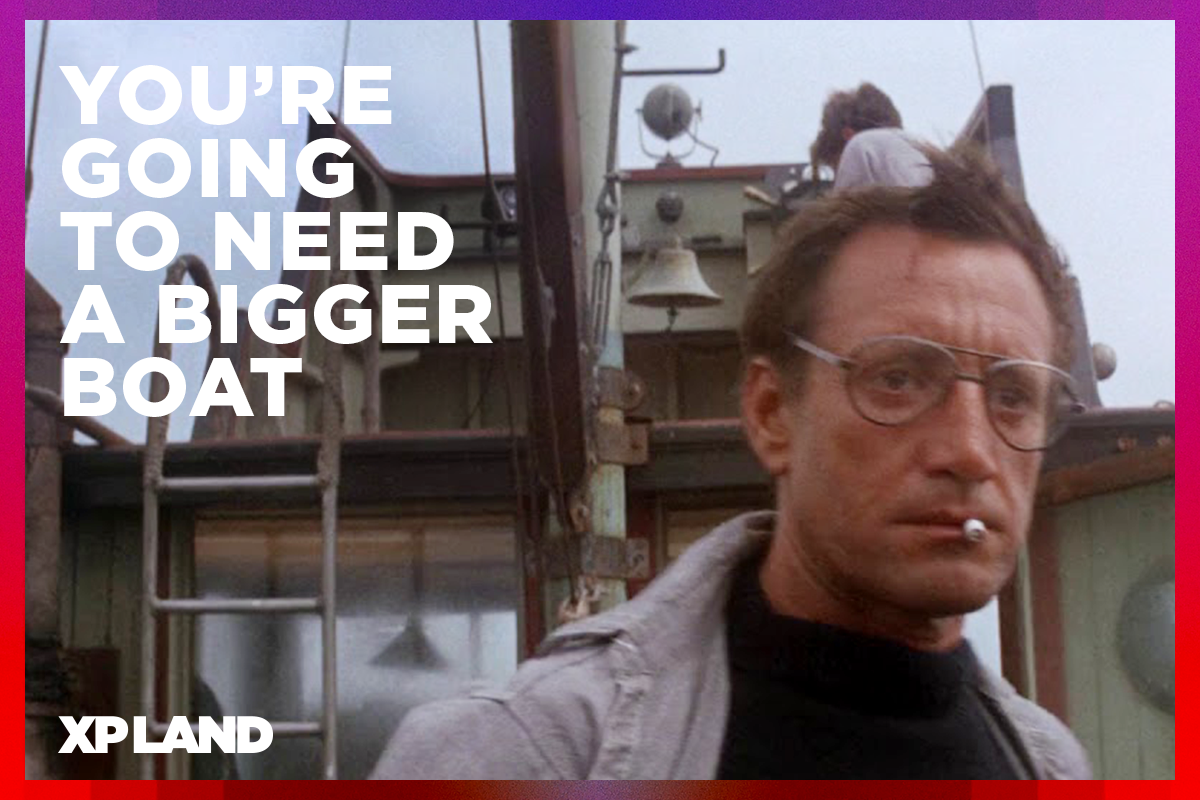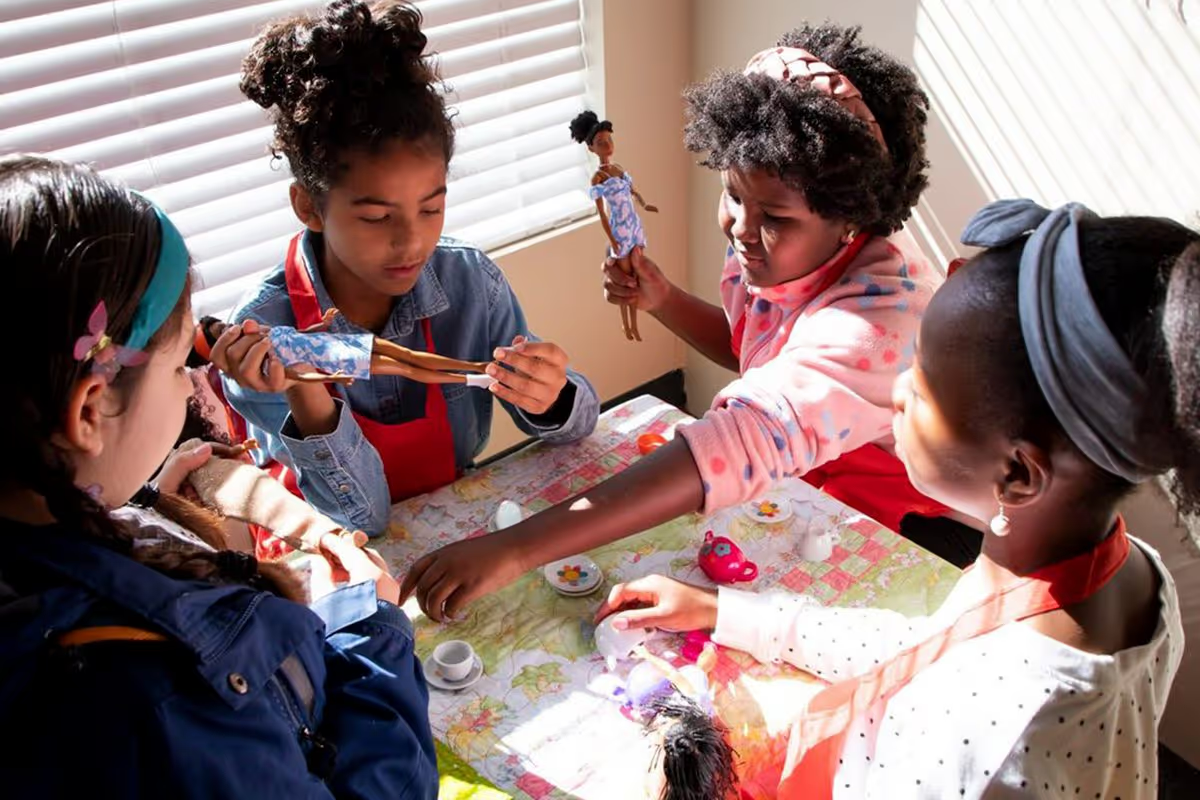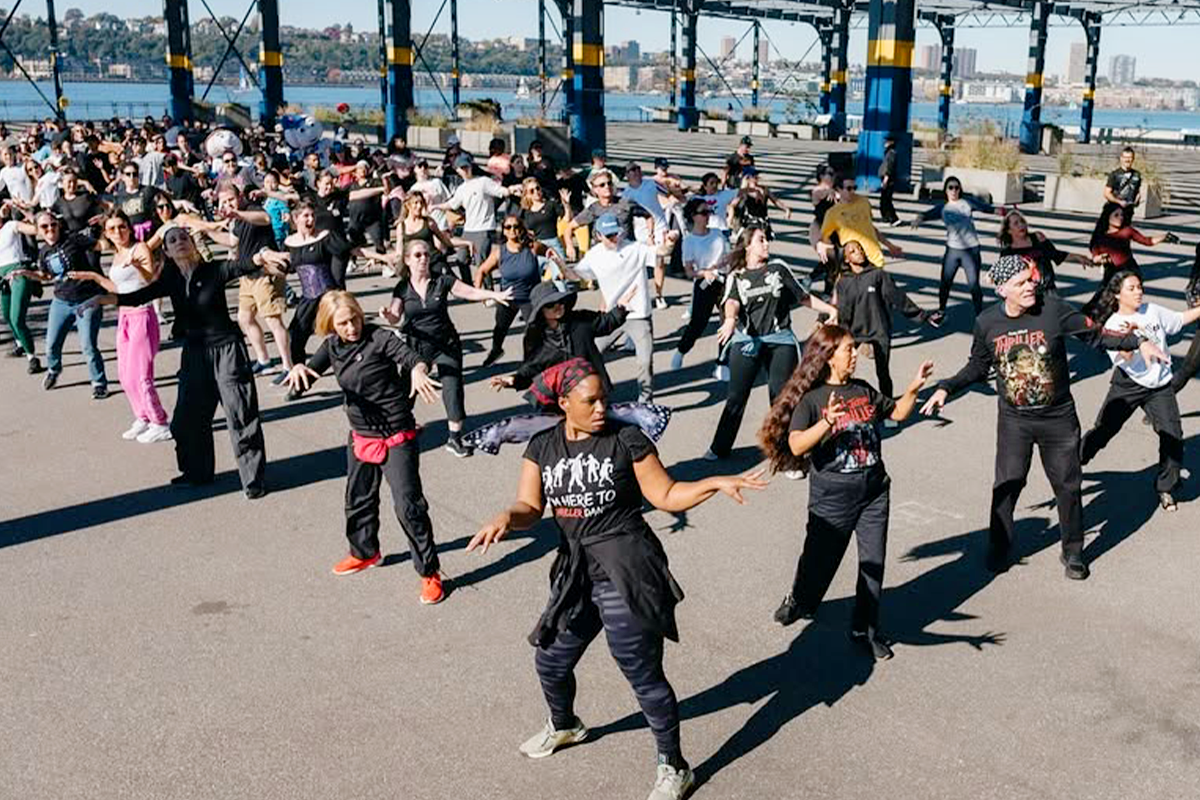

Here’s the thing about magic makers: we’re way too good at hiding the trick.
Seamless. Invisible. Flawless. That’s the brief, every single time. Nobody is supposed to see the 2 a.m. load-in, or the fabricator who rebuilt the bar overnight, or the strategist who rerouted every guest when the City of New York moved the barge to a different pier 12 hours before doors. (Just ask Bryan Buckley of Hungry Man.)
We're the duck on the pond, gliding on top while the feet go like hell underneath. It works. And that's exactly the problem.
When you make it look easy, everyone thinks it is easy. Every CEO, IP owner, creator and Billy McFarland out there starts to believe an experience is a mood board, a guest list and a ring light. And you know what happens next: Sad cheese sandwiches at Fyre. A Willy Wonka “experience” in a Glasgow warehouse that handed kids two jelly beans and a splash of lemonade. A Detroit Bridgerton ball, up to $1,000 a ticket, where the entertainment was a pole dancer booked three hours before doors. And a Barbie Dream Fest, officially licensed by Mattel, that ended with full refunds for every ticket.
Every one of those was a failure to understand the work. Nobody saw the work, so nobody valued the work.
So it's time to show the work. Here are a few ideas on how:
1. Roll the credits.
Movies roll credits. Magazines run mastheads. Experiences end with... a sizzle reel and a logo. Name every single person who touched the project: the fabricators, the lighting designer, the stage managers, the runners, the security lead, the caterer who saved the night. Say what each of them did and why it mattered. Put it on the exit wall, in the recap deck and in the LinkedIn post, and tag everyone.
2. Draw the exploded view.
Show how the thing came together: the floor plan, the sketches, the renderings, the build schedule, the number of trucks, hours and hands. One "exploded view" graphic tells a client more about your value than ten case-study adjectives. (If you’re already doing this, send it our way. We want to feature it.)
3. Make the “making” part of the show.
For The 4th Witch, Manual Cinema built a film live at NYU Skirball, out of paper puppets and overhead projectors, while the finished movie played on the screen above. Hermès takes its artisans on tour with Hermès in the Making, stitching saddles and printing silk scarves in front of the crowd. Golden Goose's Meatpacking flagship has artisans it calls Dream Makers customizing sneakers right at the Co-Creation Bar. Watching the work is the experience. Where can your crew be part of the show? If the client needs the curtain closed during the show, open it after: a backstage tour, a load-out time-lapse, a walkthrough with the crew.
4. Let the audience in on it.
Invite guests to co-create: vote on the merch, design the logo, weigh in on your lineup, help build the set. People value what they help make. And when they've seen a sliver of the work, they understand why the ticket costs what it costs.
5. Build a VIP track for the people who sign the checks.
This is the one I can't stop talking about. I said it on stage at Live From the Edge with Jameka Pankey from Amazon Music, Omar Deacon from Zoom and Madeline Schofield from Salesforce’s Dreamforce, and I'll say it again here: if you aren't building an experience track for your own CEO, CFO, board and investors at every event, what are you doing?
Treat leadership like another audience you're serving. Call it “Bring Your CFO to Work” Day. Walk them through the build. Introduce them to the team that gave blood, sweat and tears. Then show them the results. Yes, the spreadsheet. But also the goosebumps, the smiles, the connections, and the relationships that ripple out for years and will never fit in one quarter's numbers. Can’t get them there? Cut a version of the sizzle just for them.
6. Document it like a founder.
Creators and startup founders chronicle everything from day one. We should too. Start capturing the story the minute the idea shows up: the first napkin sketch, the timeline, the renderings, the Zoom hours (shout out to Omar), the load-in, the doors opening, and then the glasses clinking afterward with the insanely talented team that pulled it off. Include the conversation on site with the client about how to make it bigger next year. That's the recap deck. That's the sizzle reel. The story of the work is the story.
At Cannes Lions, we launched Doors in Five, our behind-the-scenes series. We shot ours with a full crew and a lot of gloss. Yours doesn't need either. Grab a phone and tell it in five parts: the brief, the vision, the work, the outcome and the credits.
We built an industry on making it look effortless. Now we have to prove it isn't, because that's how we get the budgets, the timelines and the respect this work deserves.
Show the work behind the magic. It's how everyone finally sees it’s worth it.